
Nutrition for Healing
Give Your Body the Building Blocks to Heal
Whether you are undergoing orthopedic surgery or a regenerative biologic procedure such as PRP or bone marrow aspirate concentrate (BMAC), your treatment is only one part of the healing process.
Your body still must do the healing.
Repairing muscle, tendon, ligament, cartilage, bone, and surgical wounds requires energy, amino acids, vitamins, minerals, adequate hydration, and a healthy metabolic environment. Nutrition therefore becomes an important part of preparing for your procedure and supporting your recovery afterward.
At Vitality Orthopedics and Biologics, our goal isn’t simply to perform a procedure. We want to optimize the conditions that allow your body to recover, rebuild, and return to the activities that matter to you. Learn more about what makes Vitality different and our approach to regenerative medicine in Simsbury, CT.
Why Nutrition Matters
Surgery and musculoskeletal injury place increased metabolic demands on the body. During recovery, your body must simultaneously manage inflammation, repair damaged tissue, maintain muscle mass, and, in surgical patients, heal an incision.
Biologic procedures are different from surgery, but the principle is similar. Treatments such as PRP and BMAC are intended to harness and concentrate components of your own biology as part of the healing response. Explore our orthobiologics and full treatments options.
Think of your procedure as the stimulus and your nutrition as part of the raw material required for recovery.
The weeks surrounding your treatment are not the time for crash dieting, prolonged fasting, or poor-quality nutrition.
The Foundations of Recovery
1. Prioritize Protein
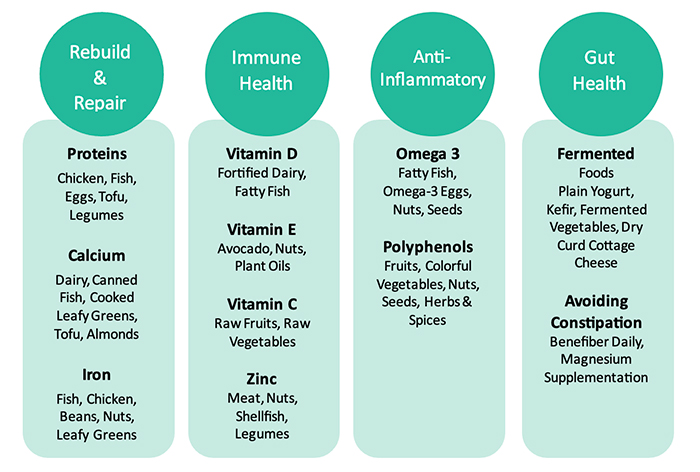
Protein is arguably the most important macronutrient during orthopedic recovery.
Your body uses amino acids from dietary protein to support:
- Muscle maintenance and rebuilding
- Collagen and connective-tissue production
- Wound healing
- Immune function
- Recovery from rehabilitation and exercise
A practical goal for many active orthopedic patients is approximately:
1.2-1.6 grams of protein per kilogram of body weight per day
Your individual needs may vary depending on age, body composition, activity level, kidney function, and the magnitude of your procedure.
Rather than consuming most of your protein at dinner, try distributing it throughout the day.
A simple target:
Aim for approximately 25-40 grams of high-quality protein with each major meal.
Good options include:
- Eggs
- Greek yogurt or cottage cheese
- Chicken or turkey
- Fish and seafood
- Lean beef
- Milk or high-protein dairy
- Tofu, lentils, beans, and other plant proteins
- A high-quality protein supplement when needed
If your appetite is reduced after a procedure, a protein shake can be an easy way to help meet your daily requirements. Choose one with a meaningful amount of protein and relatively little added sugar. Common off-the-shelf protein shakes are often thought of by many as healthy options for additional protein supplementation but are essentially glorified milkshakes. These protein shakes can impair wound healing and lead to unhealthy weight gain, both of which are less than ideal following your procedure. Please avoid. Alternative option: look for a protein supplement that contains < 5 grams of carbs. Additionally, avoid a protein supplement that contains sucralose.
2. Build Your Meals Around Whole Foods
There is no single “healing diet.” Instead, focus on consistently giving your body nutrient-dense foods.
A simple framework is to build most meals around:
Protein + vegetables/fruit + healthy fats + minimally processed carbohydrates
Choose foods such as:
- Colorful vegetables
- Berries and other whole fruits
- Fish
- Eggs
- Lean meats
- Greek yogurt
- Beans and legumes
- Nuts and seeds
- Extra-virgin olive oil
- Avocado
- Potatoes, oats, rice, quinoa, and other minimally processed carbohydrate sources
The goal is not perfection. It is to shift your diet toward foods that provide the protein, micronutrients, fiber, and energy your body needs to recover.
3. Don’t Under-Eat During Recovery
Healing requires energy.
Aggressive calorie restriction immediately before or after surgery or a biologic procedure may make it more difficult to consume adequate protein and micronutrients and can contribute to loss of muscle mass.
This is particularly important when your activity level temporarily decreases after surgery.
Recovery is generally not the ideal time for an aggressive weight-loss diet.
For most patients, the priority should be maintaining muscle, meeting protein requirements, and providing adequate nutrition while activity gradually returns.
4. Hydrate
Even mild dehydration can leave you feeling fatigued and make recovery more difficult.
Drink water consistently throughout the day and increase intake appropriately around exercise and physical therapy.
Electrolytes may also be helpful when fluid losses are significant through exercise, sweating, illness, or reduced oral intake.
A simple indicator: your urine should generally be pale yellow rather than dark yellow.
Key Nutrients for Musculoskeletal Healing
A well-balanced diet should provide most of what your body needs. Certain nutrients, however, deserve particular attention during orthopedic recovery.
Vitamin D
Vitamin D plays an important role in:
- Bone metabolism
- Muscle function
- Immune regulation
- Calcium absorption
Vitamin D deficiency is common, particularly in northern climates and among older adults.
When deficiency is suspected or identified through blood testing, supplementation may be recommended. More is not necessarily better – vitamin D should ideally be supplemented based upon individual need.
Vitamin C
Vitamin C is required for normal collagen synthesis and connective-tissue formation.
Good dietary sources include:
- Citrus fruits
- Berries
- Kiwi
- Bell peppers
- Broccoli
- Tomatoes
Most patients consuming adequate fruits and vegetables can meet their needs through food.
Calcium
Calcium is particularly important when bone healing is part of your recovery.
Good sources include:
- Dairy products
- Fortified foods
- Sardines and other bone-containing fish
- Leafy greens
- Certain nuts and seeds
Calcium supplementation is not automatically necessary if dietary intake is adequate.
Zinc & Magnesium
Both zinc and magnesium participate in numerous cellular processes involved in normal tissue function and recovery.
Rather than automatically taking high doses of either supplement, focus first on a varied whole-food diet and correct deficiencies when identified.
What About Collagen?
Tendons, ligaments, cartilage, and bone contain large amounts of collagen.
For that reason, collagen or gelatin supplementation has received considerable attention in sports medicine and rehabilitation.
Some research suggests that collagen or gelatin combined with vitamin C before rehabilitation or loading exercise may support collagen synthesis, although the clinical evidence is still evolving.
Collagen should be considered an adjunct – not a replacement for adequate dietary protein.
Foods and Habits to Limit During Recovery
You don’t need a perfect diet to heal well. However, there are several things worth minimizing around your procedure.
Added Sugar and Highly Processed Foods
Limit foods that provide large amounts of calories with little nutritional value, including:
- Candy
- Desserts
- Sugary drinks
- Highly processed snack foods
- Excessive refined carbohydrates
An occasional treat will not derail your recovery. The goal is simply to make nutrient-dense foods the foundation of your diet.
Alcohol
We recommend minimizing – and preferably avoiding – alcohol around your procedure.
Alcohol can interfere with sleep, hydration, glucose regulation, immune function, and normal recovery. Heavy alcohol consumption can also impair tissue and bone healing.
Nicotine and Tobacco
Nicotine and tobacco exposure are particularly concerning when healing depends on blood flow to bone, tendon, ligament, or a surgical incision.
Smoking is associated with impaired wound and bone healing and increased surgical complications.
If you smoke or use nicotine products, discuss this with our team before your procedure.
Supplements and Medications Before Your Procedure
“Natural” does not necessarily mean harmless.
Some supplements can affect platelet function, bleeding, blood pressure, glucose, or anesthesia.
Depending upon your procedure, we may recommend temporarily stopping certain medications or supplements, including:
- NSAIDs such as ibuprofen or naproxen
- Aspirin when it is not medically required
- High-dose fish oil
- Turmeric/curcumin supplements
- High-dose vitamin E
- Ginkgo
- Concentrated garlic supplements
- Other supplements with potential antiplatelet effects
Never stop a prescription medication or medically necessary aspirin without first discussing it with the prescribing clinician and your treatment team.
Patients undergoing PRP or BMAC may receive additional instructions because medications that affect platelet or inflammatory function may be relevant to the biologic treatment being performed.
The Week Before Your Procedure
Think consistency rather than perfection.
Focus on:
- Eating adequate protein every day
- Staying well hydrated
- Getting adequate calories
- Limiting alcohol
- Avoiding highly processed foods and excessive added sugar
- Prioritizing sleep
- Following your individualized medication and supplement instructions
For surgery, always follow the specific fasting and carbohydrate instructions provided by your surgical facility and anesthesia team.
The First Few Weeks After Your Procedure
The early recovery period is when your body needs nutritional support the most.
Continue to prioritize:
Protein
Aim for protein at every meal and continue your daily protein target.
Whole Foods
Choose nutrient-dense foods rather than relying heavily on convenience foods during recovery.
Hydration
Maintain consistent fluid intake throughout the day.
Muscle Preservation
Follow your rehabilitation plan and begin safe movement and strengthening when medically appropriate.
Sleep
Sleep is a fundamental component of recovery. Aim for consistent, high-quality sleep whenever possible.
Recovery Is More Than the Procedure
Modern orthopedic care shouldn’t end when the injection is completed or the incision is closed.
A successful recovery depends on the interaction between:
- The right procedure
- The right rehabilitation
- The right nutrition
- Adequate sleep
- Metabolic health
- Patient commitment
Our goal at Vitality Orthopedics and Biologics is to address the entire recovery environment – not simply the injured joint.
Whether your treatment involves surgery, PRP, BMAC, or a comprehensive regenerative program, we want to give your body the best possible opportunity to heal, rebuild, and perform. Patients who want more time and coordinated support may also explore our concierge orthopedic care.
Prepare Well. Heal Well. Move Better.
If you have questions about nutrition, supplements, medications, or preparing for your upcoming procedure, please speak with our team before making significant changes to your routine.
These recommendations are intended as general educational guidance and are not a substitute for individualized medical or nutritional advice. Patients with kidney disease, diabetes, gastrointestinal disease, metabolic disorders, food allergies, or other medical conditions may require individualized recommendations.
